The Best Gearbox Repair Specialists for Industrial Gear Drives
How to Choose Industrial Gearbox Repair Specialists
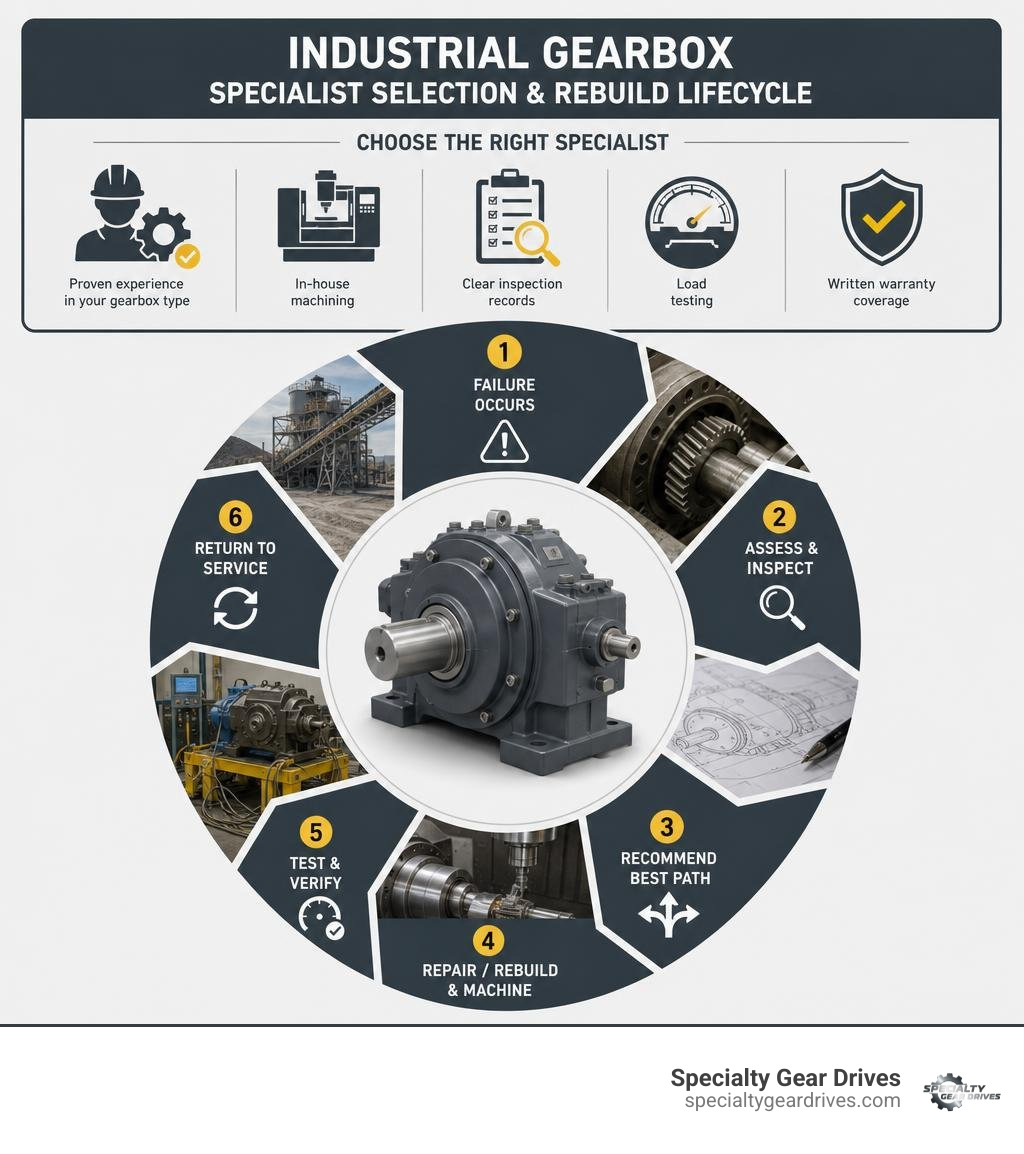
When a critical drive fails, choose gearbox repair specialists with proven experience in your gearbox type, in-house machining, clear inspection records, load testing, and written warranty coverage. The right rebuilder should be able to assess whether repair, overhaul, reverse engineering, or replacement is the best route before work begins.
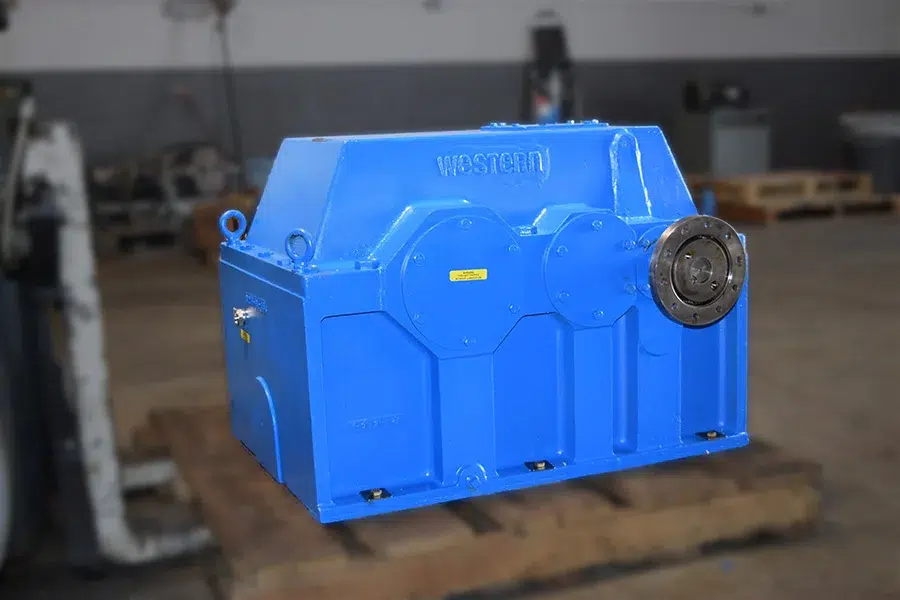
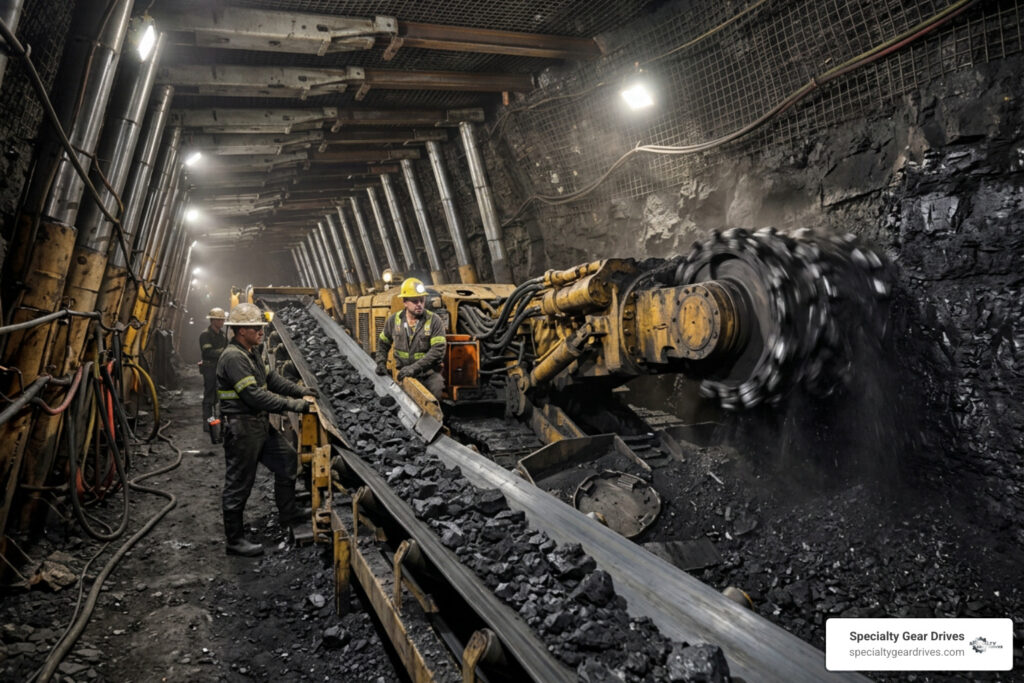
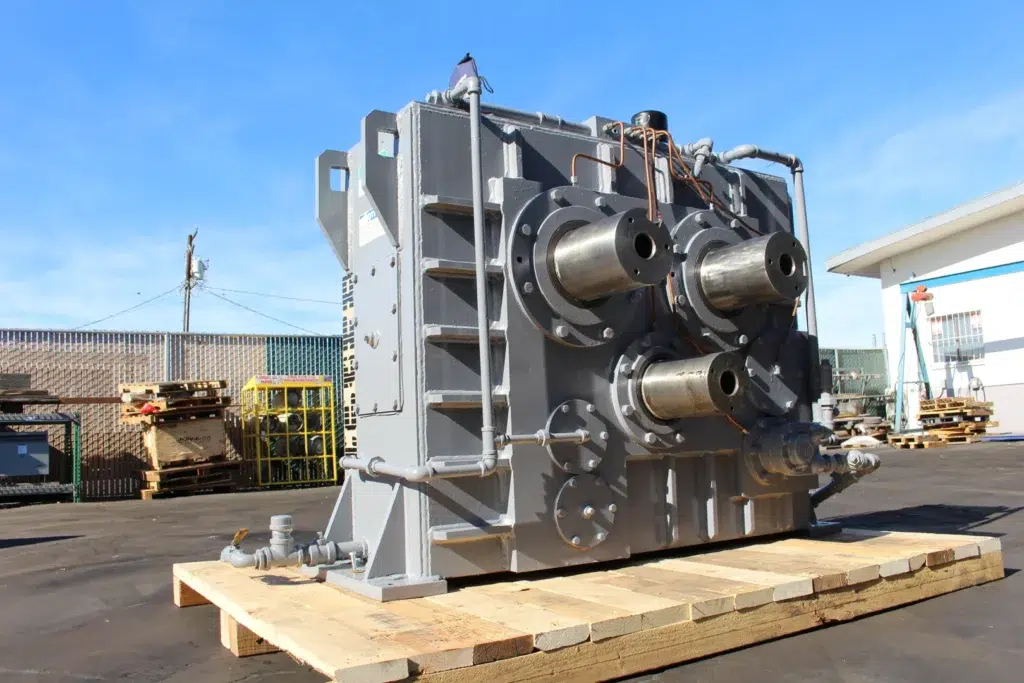
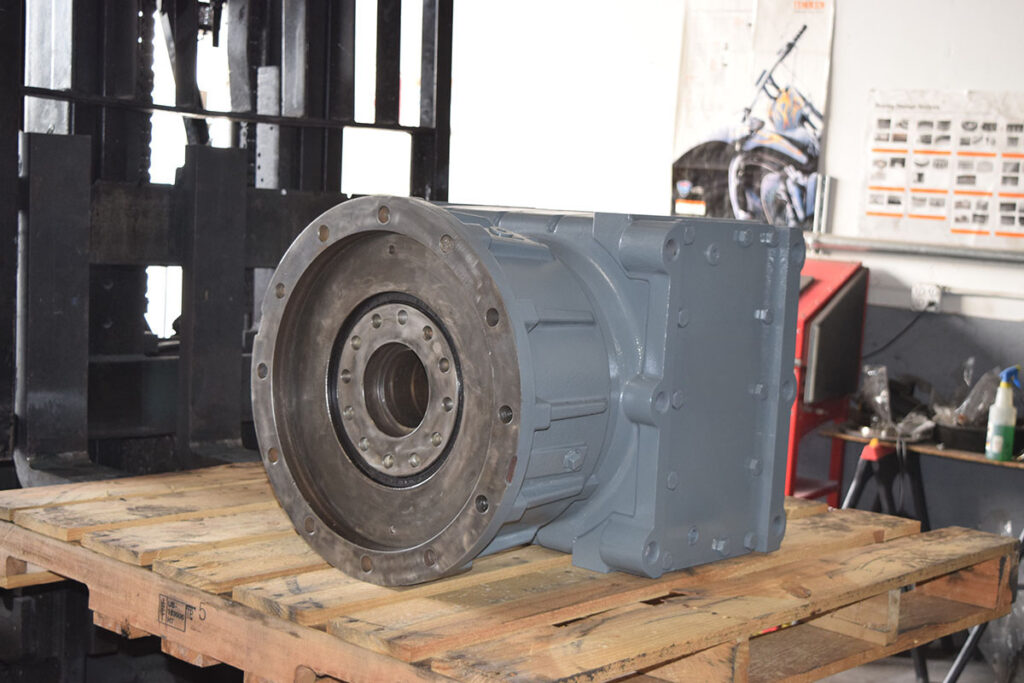
For heavy industry, that means expertise with gear reducers and speed reducers, including helical, bevel, and worm gearboxes used in conveyors, mining equipment, cement plants, marine systems, wind turbines, and manufacturing lines. A qualified shop can identify gear, bearing, shaft, housing, seal, and lubrication damage, then restore the drive to the required operating condition.
Fast response matters when downtime stops production. At Specialty Gear Drives, all gearbox repair and line boring work is completed in-house at our Florida facility, supported by expedited logistics and fast shop turnaround for critical industrial drives.
I am Peter Clark, owner of Specialty Gear Drives in Largo, Florida. My work with gearbox repair specialists includes teardown, reverse engineering, machining, and rebuilding complex rotary drive systems for heavy industrial operations across the Southeast.
Related content about gearbox repair specialists:
Signs That Demand Industrial Gearbox Repair Specialists
Heavy industrial drives rarely fail without warning. Spotting early mechanical degradation prevents catastrophic tooth shearing, fractured housings, and unplanned plant outages. When continuous process lines in manufacturing plants, pulp mills, or cement kilns run under heavy load, subtle operational shifts point to internal wear.
- Abnormal Vibration Signatures: An increase in high-frequency vibration indicates localized tooth surface fatigue, while low-frequency rumbling points to bearing race spalling or severe shaft misalignment.
- Excessive Gear Chatter and Acoustic Shifts: Clean mesh patterns produce steady, predictable operational decibels. Harsh clattering, rhythmic clicking, or grinding under load signals severe backlash expansion, chipped gear teeth, or loose bearing preloads.
- Elevated Operating Temperatures: Gearbox sump temperatures exceeding 180°F (82°C) indicate excessive friction, boundary lubrication breakdown, or impending bearing lockup. Heat accelerates oil oxidation, compromising film thickness.
- Oil Contamination and Particulate Generation: Darkened, burnt oil, milky emulsification from moisture ingress, or fine metallic paste on magnetic drain plugs indicate active wear. Finding these warnings matches the indicators detailed in our breakdown of industrial gearbox repair Florida 7 signs you need a pro.
- Surface Micro-Pitting and Scoring: Inspection port audits that reveal frosted or pitted tooth flank profiles mean boundary lubrication is failing, removing the case-hardened layer of the metal.
- Seal Degradation and External Lubricant Leaks: Hardened, cracked radial lip seals allow oil escape and draw in abrasive plant airborne particulates like silica, coal dust, or chemical scale.
Comprehensive Overhaul Capabilities for Industrial Drives
Precision Diagnostic and Non-Destructive Testing
Every rebuild starts with a complete teardown and baseline dimensional inspection. We clean every component thoroughly to remove baked-on lubricants and process contamination before evaluation.
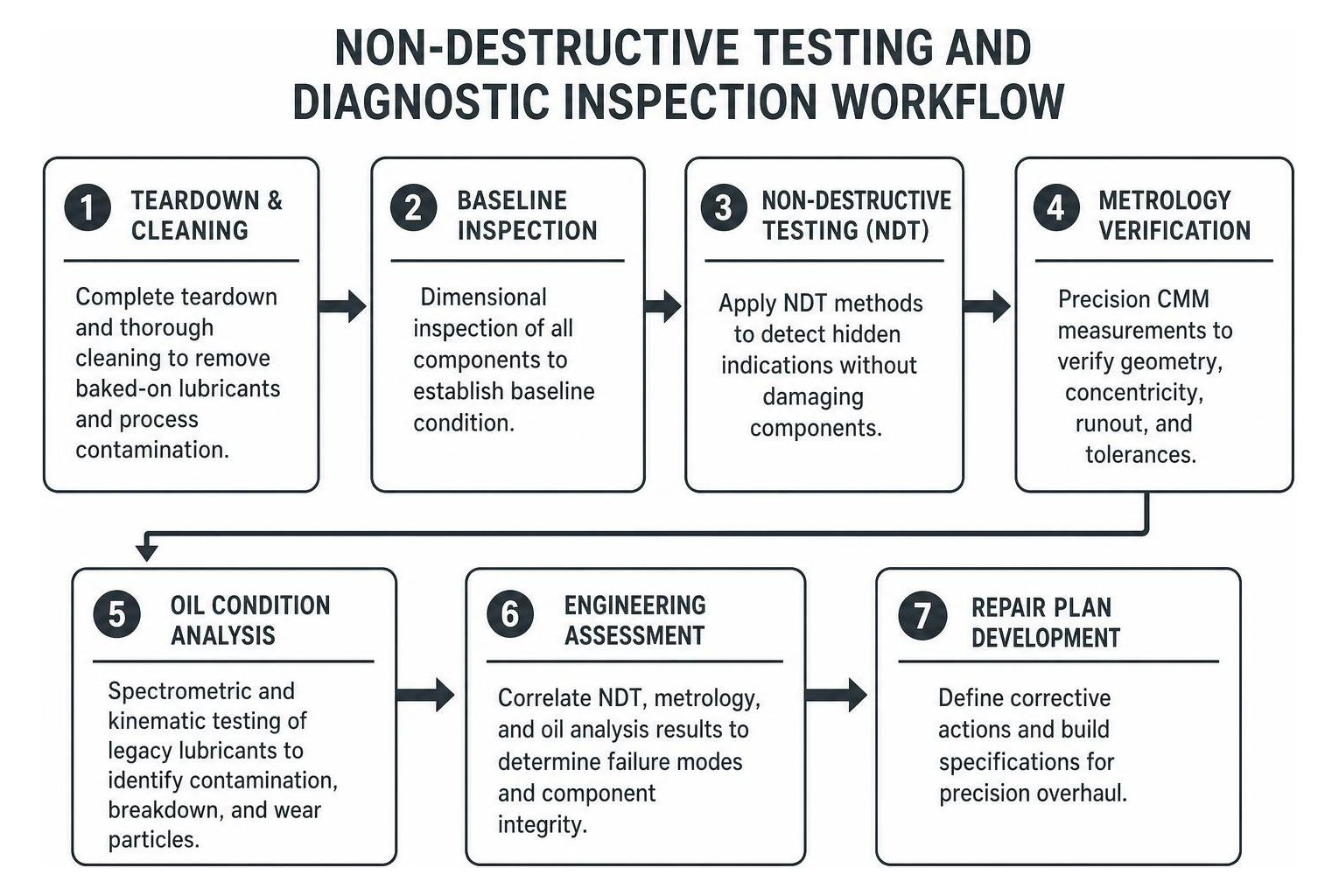
Non-destructive testing (NDT) forms the foundation of our engineering assessment:
- Ultrasonic Flaw Detection: Verifies subsurface metallurgical integrity, identifying hidden stress fractures within cast housings, high-stress pinion shafts, and bull gear webs.
- Fluorescent Magnetic Particle Inspection (MPI): Highlights micro-cracking along root fillets and pitch lines of gear teeth that remain invisible during standard optical checks.
- Coordinate Measuring Machine (CMM) Metrology: Quantifies housing bore concentricity, center-to-center distances, perpendicularity, and shaft runout down to ten-thousandths of an inch.
- Oil Condition Verification: Spectrometric and kinematic testing of legacy lubricants determines failure modes such as chemical contamination, thermal breakdown, or particulate loading.
Using rigorous diagnostics ensures every mechanical tolerance is measured against original equipment manufacturer standards, reflecting the precision steps outlined in our practical guide to precision gearbox rebuild service.
Rebuilding and In-House Precision Machining
Field repairs cannot match the quality of an in-house machine shop. Distorted gear casings, egged bearing bores, and scored shafts require precision tooling to restore alignment geometry.

At our Florida facility, technicians remanufacture components using heavy-duty machine tools:
- CNC Horizontal Line Boring: Restores damaged bearing journals and bores back to true centerlines, applying sleeving or precision weld build-up where necessary.
- CNC Gear Cutting and Profile Grinding: We hob, shape, and profile-grind replacement spur, helical, double-helical, bevel, and worm gears from forged alloy steels (such as 4140, 4340, and 8620) to AGMA Class 12+ specifications.
- Shaft Remanufacturing and Dynamic Balancing: Bent or fretted shafts are turned, ground, and dynamically balanced to eliminate vibration at operating speeds.
- Controlled Heat Treatment: Carburizing, induction hardening, or through-hardening restores core toughness and surface wear resistance.
To understand the sequence from disassembly to dynamic spin testing, review our step by step gearbox rebuild guide.
Custom Ratio Modifications and Industrial Upgrades
Industrial processes change over time. When a manufacturing line, conveyor system, or dredge pump requires increased throughput, factory-standard gearboxes can struggle under the new operating load.
We engineer custom gear ratio modifications, swap standard gearing for high-capacity helical sets, and fit bearing upgrades to absorb higher radial and axial thrust loads. Our team details these engineering overhauls in the ultimate guide to gearbox rebuild.
How to Evaluate Heavy Industry Drive Rebuilders
Technical Criteria for Gearbox Repair Specialists
Choosing an industrial repair partner requires vetting their technical skills, equipment capacity, and engineering experience. Plant maintenance managers should verify specific operational capabilities before shipping critical equipment:
- Dedicated Machine Tool Fleet: Ensure the rebuilder owns large-capacity CNC profile grinders, horizontal boring mills, and dynamic balancing rigs capable of handling massive gear sets in-house.
- Engineering Reverse-Engineering Capability: Legacy gear reducers often lack original engineering drawings. The repair facility must be able to calculate gear geometry, module, pressure angles, and tooth profiles directly from worn samples. Review these skills in our guide to gearbox repair essential skills.
- Quality Assurance Testing Procedures: Repaired gearboxes must undergo contact pattern testing under light loads, vibration spectrum logging, bearing temperature verification, and sound-level analysis prior to crating.
Turnaround Logistics and Warranty Protection
Unexpected equipment failures halt production lines, costing plants thousands of dollars an hour. Selecting a shop equipped for rapid logistics and fast turnaround limits this expensive disruption.
We provide free regional freight pickup and delivery across Florida, Georgia, South Carolina, Alabama, Mississippi, and Louisiana. When critical drives break down, our team implements rapid turnaround strategies detailed in our fast 48-hour gearbox repair guide.
Every completed overhaul undergoes a strict multi-point spin test and is backed by a robust warranty. We provide a 24-month warranty on gearbox rebuilds, giving plant engineers confidence in their equipment’s long-term reliability.
Industrial Gearbox Repair vs. Complete Drive Replacement
Plant managers often face a tough decision when heavy drives fail: rebuild the existing drive or order an entirely new unit from the OEM. Comparing the real-world costs and operational trade-offs makes the choice straightforward.
| Operational Consideration | In-House Specialty Rebuild | Brand-New OEM Replacement |
|---|---|---|
| Capital Expenditure | Up to 40% to 60% savings vs. new | 100% full list equipment price |
| Procurement Lead Time | Days to weeks via expedited service | 16 to 40+ weeks standard factory lead |
| Structural Compatibility | Retains 100% exact footprint & shafts | May require baseplate/motor modifications |
| Metallurgical Quality | Upgraded forged alloys & grinding | Standard factory casting/gear materials |
| Obsolete Unit Support | Full reverse-engineering available | Frequently declared obsolete/unsupported |
| Warranty Backing | 24-Month Limited Warranty | Standard 12-Month factory warranty |
Rebuilding an industrial speed reducer saves money while getting equipment back into operation much faster. When an OEM quotes a six-month lead time for a specialized conveyor drive or cement kiln reducer, a precision rebuild can return the existing assets to service within a fraction of that window. For a deeper breakdown of this comparison, read everything you need to know about gearbox repair.
Preventive Maintenance Strategies to Extend Drive Longevity
Critical Maintenance Procedures Recommended by Gearbox Repair Specialists
Consistent preventive maintenance protects internal gear components, maintains protective oil films, and prevents premature mechanical failures.
- Lubricant Condition Audits: Test oil periodically for viscosity deviations, total acid number (TAN), water content, and ppm wear metals (iron, copper, lead).
- Desiccant Air Breathers: Standard vented plugs pull airborne moisture and grit into the gear casing during thermal breathing cycles. Installing desiccant breathers with micro-glass filtration keeps internal oil clean and dry.
- Precision Laser Shaft Alignment: Misalignment between the input motor shaft, gearbox, and driven equipment places heavy bending loads on input and output bearings. Laser alignment minimizes parasitic side-loading and prevents seal failure.
- Systematic Vibration Profiling: Establish a vibration baseline across all bearing locations during commissioning to track bearing inner-ring, outer-ring, and gear mesh frequencies over time.
- Avoiding Common Operating Mistakes: Running mismatched oil viscosities or ignoring minor seal leaks quickly destroys gears. Review these issues in our guide on common gear reducer repair mistakes.
Frequently Asked Questions About Industrial Gearbox Overhauls
How long does an industrial gearbox rebuild take during an emergency?
Standard overhauls take a few weeks depending on parts complexity. When an unexpected breakdown halts plant production, our rapid response protocols expedite teardown, CNC gear manufacturing, and rebuild work around the clock. Rapid freight transport speeds up delivery to our shop, ensuring equipment returns to production fast. You can review our workflow in emergency gearbox repair protocols.
What factors influence the total cost of repairing an industrial drive?
Rebuild costs depend on the physical size of the unit, the gear geometry (such as helical, double-enveloping worm, or planetary configurations), and the condition of the internal components. Minor overhauls require basic bearing and seal replacements with light shaft polishing. Extensive overhauls require line boring the housing, reverse-engineering fractured pinions, and manufacturing custom bull gears from forged alloys.
What warranty protection is standard for heavy industrial gearbox rebuilds?
Standard industrial warranties from original manufacturers generally cover 12 months from purchase. We stand behind our work with our 24-Month Limited Warranty on complete rebuilds, covering parts and in-house labor.
Conclusion
Industrial gear drives operate under extreme loads in heavy manufacturing, mining, marine systems, pulp and paper lines, and cement processing. When equipment breaks down, partnering with an experienced overhaul specialist gets your line running quickly and reliably.
At Specialty Gear Drives, all diagnostic work, line boring, CNC gear grinding, and spin testing take place in-house at our Largo, Florida machine shop. We provide free pickup and return logistics across Florida, Georgia, Alabama, South Carolina, Mississippi, and Louisiana, returning equipment with up to 60% savings compared to buying new.
If you are dealing with abnormal drive vibration, damaged gear teeth, or complete reducer failures, contact our team for expert industrial gearbox repair or submit your project details directly through our contact page to schedule an evaluation.