The Complete Guide to Mining Equipment Speed Reducers in Alabama
Choosing a Mining Equipment Speed Reducer in Alabama
For a mining equipment speed reducer Alabama operation can rely on, start with the machine’s torque demand, required output speed, shock loading, and operating environment. Choose a sealed, severe-duty reducer with the right gear ratio and thermal rating for the application – then confirm shaft size, mounting position, motor speed, and service factor before ordering or rebuilding.
Alabama coal, limestone, and aggregate operations place reducers under constant stress. Conveyors need steady torque for long runs. Crushers, feeders, and breakers need gearing that can absorb sharp impact loads. Heat, humidity, abrasive dust, and moisture can shorten bearing, seal, lubricant, and gear life when the drive is undersized or poorly protected.
Heavy-duty helical, bevel, worm, and planetary gearboxes reduce motor speed while multiplying torque for conveyors, crushers, mills, feeders, and processing lines. A properly selected reducer helps keep material moving safely, limits overload-related damage, and reduces unplanned downtime.
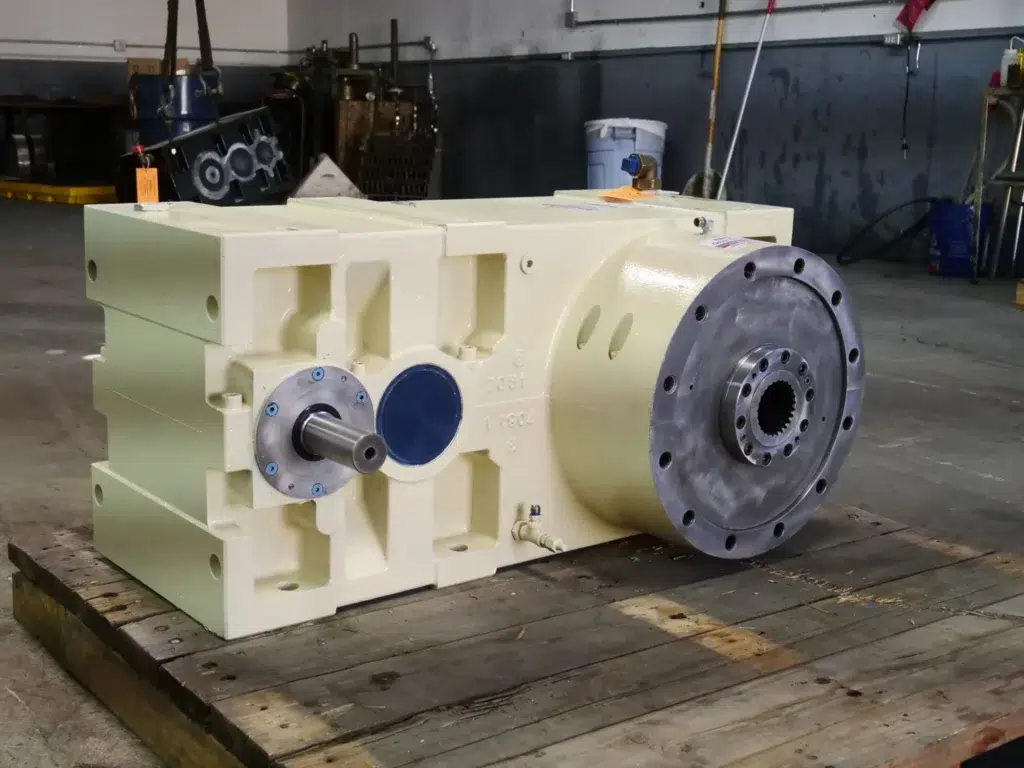
For example, a double-reduction industrial gearbox configuration is available with a 2.756:1 ratio and a 97.9 hp rating, illustrating the type of industrial drive used for demanding conveyor, crusher, feeder, and mineral-processing service. The right model still depends on the real load, duty cycle, and installation details – not horsepower alone.
I am Peter Clark, owner of Specialty Gear Drives, and I oversee the repair, reverse engineering, and manufacture of industrial gearboxes for heavy industries across the Southeast. This guide explains how to source, maintain, and rebuild a mining equipment speed reducer Alabama facilities use on critical production equipment, including when an in-house Florida rebuild may be a practical alternative to replacement.
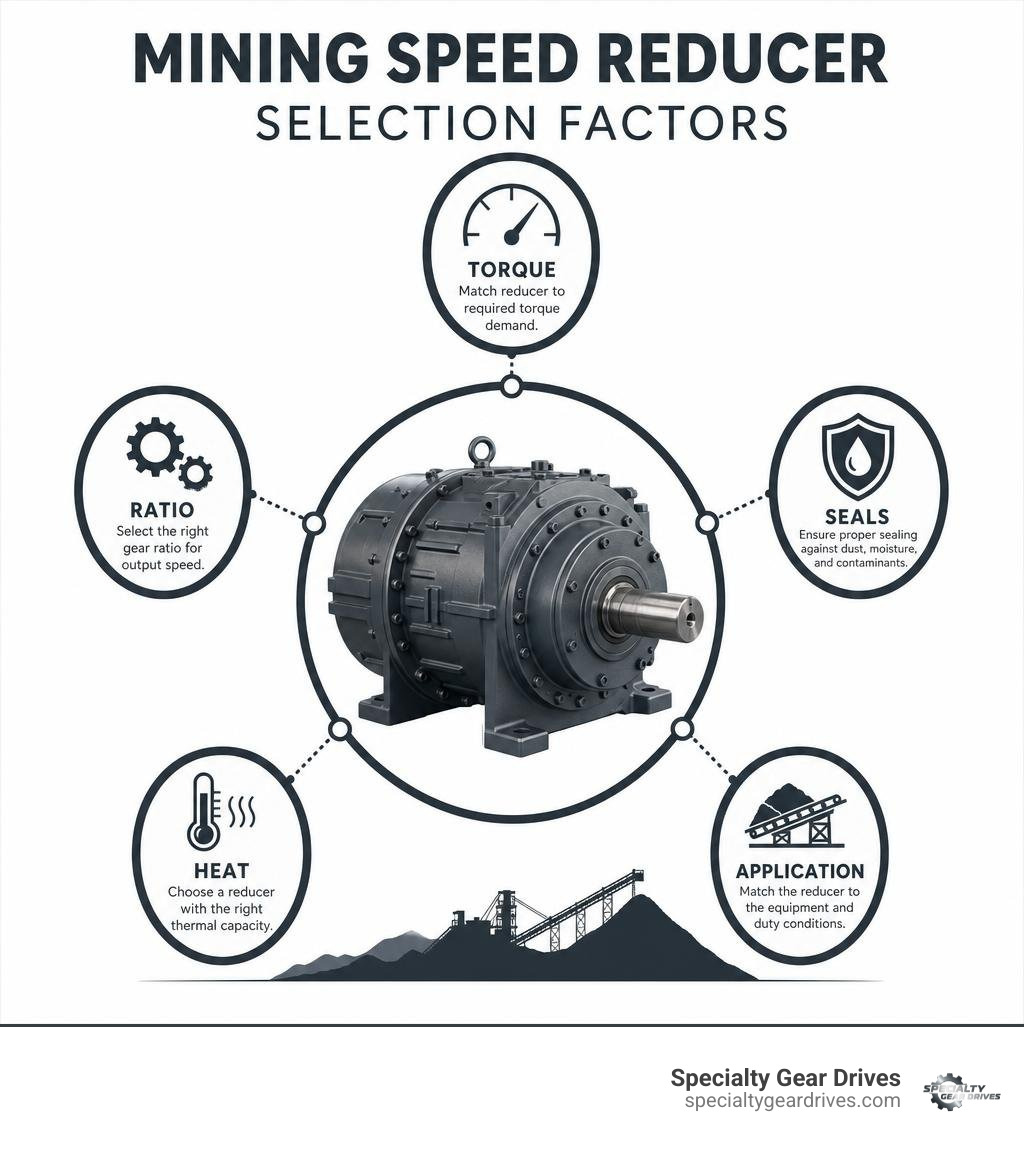
Mining equipment speed reducer Alabama terms explained:
Sourcing the Right Mining Equipment Speed Reducer in Alabama
Matching an industrial speed reducer to heavy extraction equipment requires calculating exact mechanical and thermal demands. An undersized drive running continuously under full load will overheat, degrade its oil film, and pit its gear teeth. Plant engineers must look past generic catalog horsepower ratings to evaluate mechanical efficiency, output torque capacity, service factors, and housing metallurgy.
Selecting a speed reducer begins with the driven machine’s operating profile. A belt conveyor running steady tonnage requires different torque dynamics than a primary jaw crusher processing run-of-mine rock. Ductile iron housings offer superior tensile strength and impact resistance compared to standard gray cast iron, absorbing severe vibration without cracking. Thermal capacity determines how much heat the unit dissipates naturally before requiring auxiliary cooling fans or external heat exchangers.
| Gear Architecture | Mechanical Efficiency | Shock-Load Tolerance | Common Alabama Mining Applications |
|---|---|---|---|
| Helical-Bevel | 94% – 97% | High | Overland belt conveyors, bucket elevators, stackers |
| Planetary | 92% – 95% | Very High | Apron feeders, winches, heavy sizers, thickener drives |
| Cycloidal | 85% – 92% | Extreme (up to 500% momentary) | Feeder breakers, roll crushers, impact pulverizers |
| Heavy-Duty Worm | 60% – 85% | Moderate | Small screw conveyors, belt take-up winches, bin gates |
Core Architecture of a Heavy-Duty Mining Equipment Speed Reducer Alabama Operators Rely On
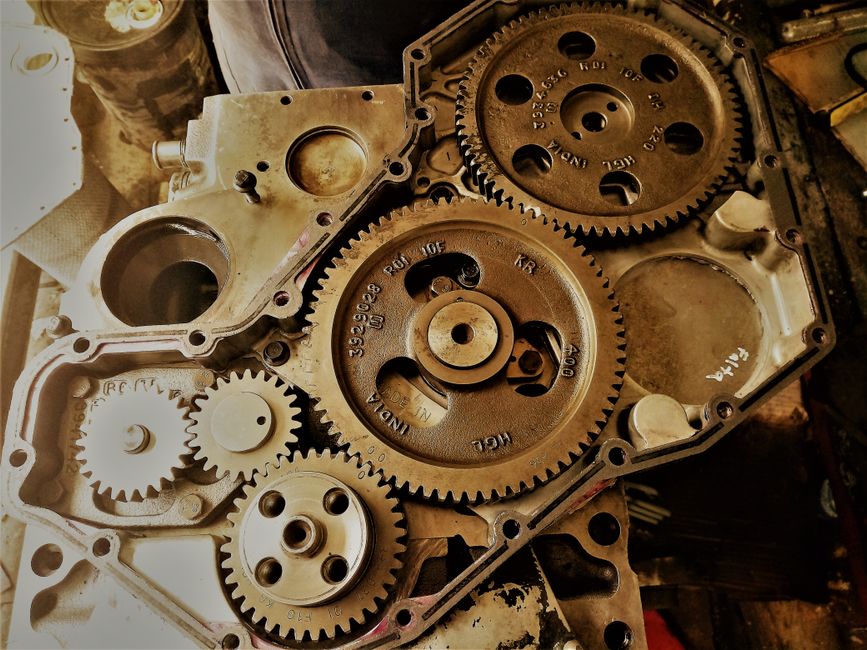
Heavy industrial reducers utilize case-hardened, carburized, and precision-ground gearing. Carburizing introduces carbon into the outer layer of low-carbon alloy steel, creating a wear-resistant surface shell while maintaining a tough, ductile core to resist shock fractures. Helical-bevel gear sets handle right-angle power transmission with high mechanical efficiency, distributing continuous loads across multiple meshing teeth.
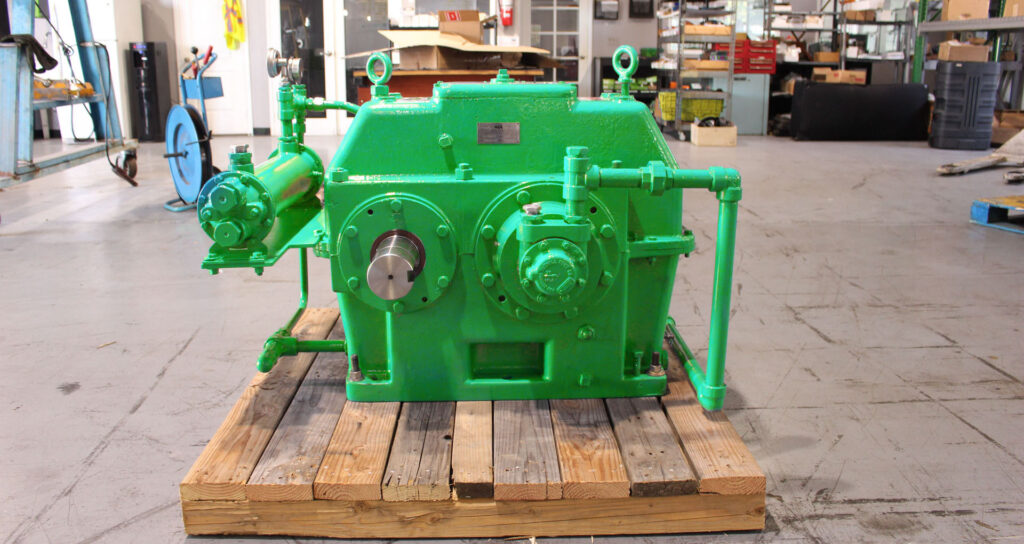
Internal splash lubrication uses oil slingers and strategically cast housing channels to route oil directly into bearing raceways without parasitic power losses. Oversized spherical roller bearings on the output shaft support heavy overhung loads caused by chain sprockets or drive pulleys. When original gearing wears beyond operational tolerances, facilities rely on our Custom Gear Manufacturing Imperial Guide 2026 to source replacement gearing cut to exact AGMA standards.
Reducer Configurations for Alabama Coal, Limestone, and Aggregate Extraction
Geology dictates mechanical stress across regional mining basins. Operations throughout the Warrior Coal Basin extract deep metallurgical and thermal coal, relying on high-ratio drives that operate continuously in damp, confined underground entries or high-throughput prep plants. Limestone quarries and sand and gravel pits across northern and central Alabama process abrasive mineral rock that punishes open mechanical drives.
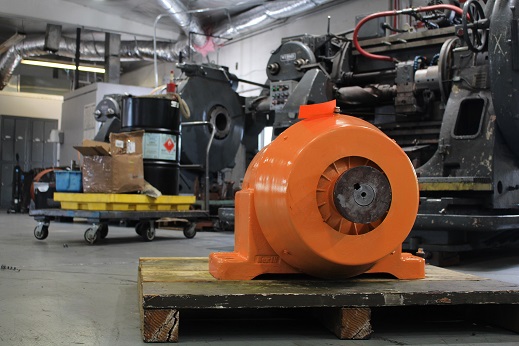
Crushing and sizing high-calcium limestone requires speed reducers with high service factors to survive continuous shock loading. Extraction drives in these facilities benefit from foot-mounted or shaft-mounted configurations with rigid torque arms. These designs simplify installation on elevated conveyor head pulleys while isolating the reducer housing from structural frame deflection.
Critical Power Transmission Applications Across Alabama Mining Operations
High-Torque Drives for Overland and Underground Conveyor Systems
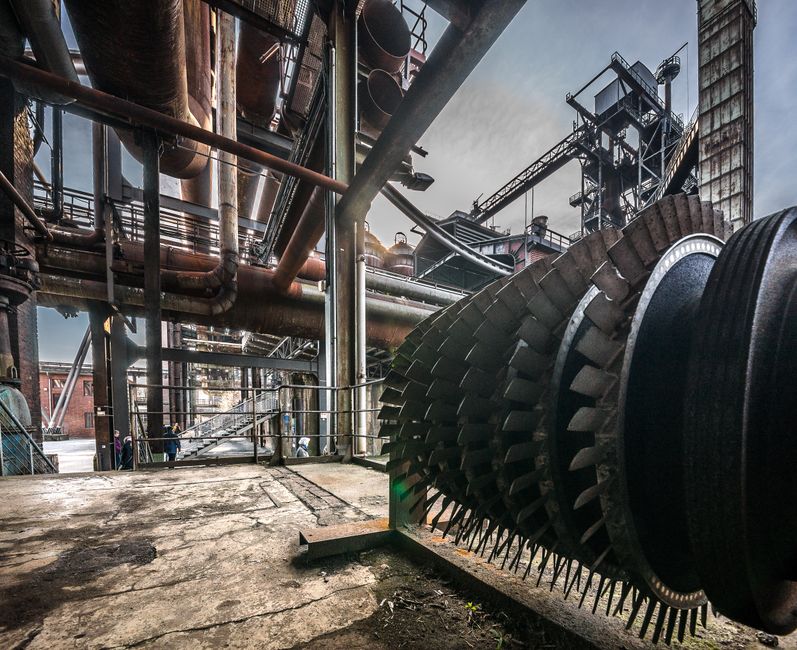
Conveyors form the backbone of bulk material handling, running thousands of feet from extraction pits to rail loading facilities. These systems require high breakaway torque to start fully loaded belts without slipping motor couplings or snapping chains. Helical and helical-bevel speed reducers provide the high gear reduction ratios required to convert 1,750 RPM electric motor inputs into controlled output speeds between 30 and 120 RPM.
Thermal dissipation is critical on long-distance overland belts. Continuous operation generates internal friction, requiring cast housing cooling fins and high-temperature synthetic oil blends. Integrated mechanical backstop clutches protect underground decline belts by immediately preventing reverse runaway if power cuts out during peak production.
Heavy Shock-Load Reducers for Crushers, Sizers, and Feeder Breakers
Crushers, rotary sizers, and feeder breakers experience severe mechanical punishment. Large boulders or tramp iron jamming between crusher jaws generate instantaneous torque spikes several times higher than normal running loads. Speed reducers on these machines must feature ductile iron housings, forged alloy shafts, and heavy-duty double-reduction gear trains.
When severe overhung loads bend drive shafts or strip gear teeth during unexpected blockages, operators review our guide on Overloaded Gearbox Repair Mississippi Top 5 Expert Services to diagnose structural stress fractures, gear tooth deflection, and journal fatigue.
Continuous Slurry, Agitator, and Ball Mill Drive Systems
Processing plants, wash facilities, and grinding circuits require drives that run non-stop for months between maintenance shutdowns. Slurry pumps, flotation agitators, and mineral thickeners demand continuous torque to keep heavy solids suspended in liquid solutions. Vertical mixers and thickener rake drives often use multi-stage planetary or planetary-worm combinations to deliver slow, controlled output speeds below 10 RPM.
Ball mills and rod mills utilize massive horizontal speed reducers driving external bull gears. These drives run under high gear-mesh pressures, demanding precision tooth contact patterns and rigid bearing housings to prevent micro-pitting along the pitch line.
Mitigating Severe Alabama Climate and Environmental Drive Challenges

Thermal Dissipation and High Humidity Protection
Summer ambient temperatures regularly exceed 95°F across Alabama, Georgia, South Carolina, and Mississippi. Combined with operating friction, internal gearbox sump temperatures can climb past 200°F if cooling capacity is insufficient. High heat breaks down oil viscosity, thinning the protective fluid film and accelerating metal-to-metal contact between gear teeth.
High relative humidity presents another persistent challenge. As speed reducers heat up during shift operation and cool down overnight, air moves in and out through standard breathers, condensing ambient moisture into water inside the oil sump. Water emulsifies industrial gear oil, causing foaming, hydrogen embrittlement, and rapid bearing corrosion. Synthetic ISO VG 220, 320, or 460 gear oils with demulsifying additives allow water to separate cleanly so maintenance crews can drain it via sump valves. Regular oil testing, combined with insights from our Local Gearbox Vibration Analysis Services in Alabama A Guide, identifies lubrication failure and micro-pitting before a catastrophic mechanical lockup.
Advanced Contaminant Ingress Prevention and Sealing Systems
Airborne limestone dust, silica sand, and coal fines act as abrasive lapping compounds when they enter a speed reducer. Standard single-lip rubber seals quickly groove rotating shafts when fine grit packs into the sealing interface. Mining drive packages require severe-duty sealing arrangements to protect critical internal components.
- Taconite Sealing Systems: Multi-barrier sealing cartridges incorporating grease-purged labyrinths, V-rings, and mechanical seals to block abrasive dust.
- HNBR Dual-Lip Oil Seals: Hydrogenated Nitrile Butadiene Rubber seals that resist elevated thermal degradation while retaining synthetic lubricants.
- External Excluder Lips: Secondary deflector rings that physically fling heavy slurry and coarse grit away from the primary sealing surface.
- Desiccant Air Breathers: Replacement breather units with integrated particulate filters and silica gel beds to trap moisture and airborne dust down to 3 microns.
- Magnetic Drain Plugs: High-strength internal magnets placed at the bottom of the sump to capture ferrous wear particles before they circulate through bearing races.
Maintenance Best Practices and Rebuild Strategies
Sourcing vs Rebuilding Your Mining Equipment Speed Reducer Alabama Operations Guide
Lead times for brand-new, heavy industrial speed reducers can stretch from 16 to 36 weeks. In high-tonnage mining, waiting months for an imported replacement unit stalls production schedules and cuts deep into operational revenue. Rebuilding an existing drive offers an economical, rapid alternative that restores machinery to original manufacturing tolerances at up to 60% savings compared to purchasing new equipment.
Rebuilding also solves obsolescence challenges. Many prep plants and aggregate wash plants run reliable legacy equipment featuring cast housing footprints that modern manufacturers no longer produce. Swapping in a modern catalog gearbox often requires expensive structural modifications to baseplates, motor mounts, and output couplings. A precision overhaul preserves existing mounting geometry while upgrading internal gears, bearings, and seals to modern materials. Plant managers can review The Complete Guide to Gearbox Rebuilds with a 24-Month Warranty and consult our A-Z Guide to Gear Overhaul Services in Alabama to plan scheduled turnarounds around plant shutdowns.
Precision In-Shop Rebuild Standards and Machining
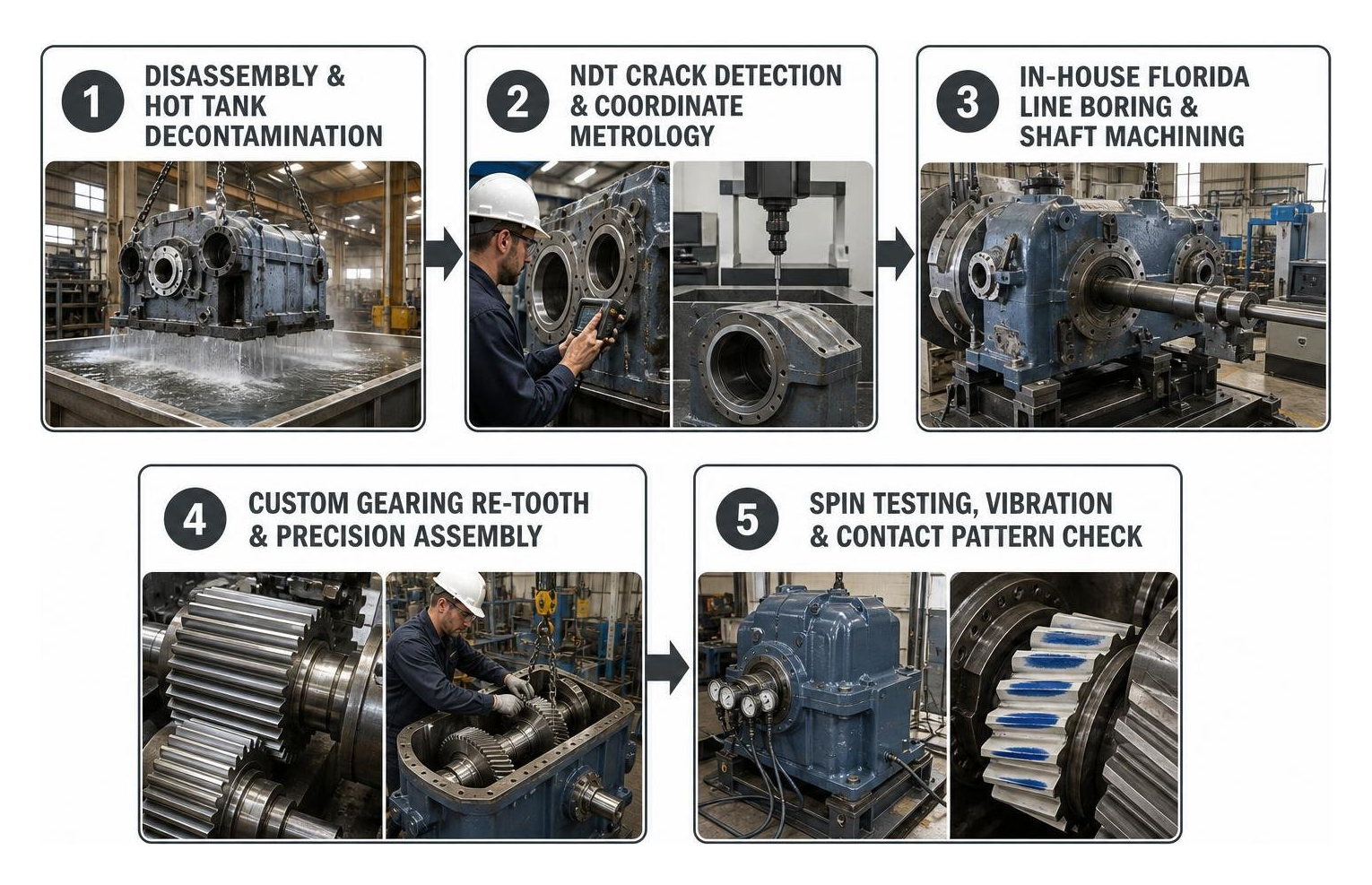
Complete drive overhauls require specialized heavy machine tools and certified technicians. When an industrial speed reducer arrives at our Largo, Florida facility, it undergoes chemical hot-tank cleaning to strip away baked-on slurry, coal dust, and oxidized grease. Technicians perform non-destructive magnetic particle and dye-penetrant testing across the housing structure and gear teeth to locate hidden fatigue cracks.
Housing bearing bores stretch and ovalize over years of continuous shock loading. We correct these misalignments using dedicated boring mills, as detailed in The Complete Guide to Line Boring Housing Machining. Worn input and output shafts are built up using specialized submerged-arc welding and turned back to exact bearing-seat tolerances following the methods in The Art of the Weld How to Build Up and Repair Worn Shafts.
Every rebuilt drive receives precision-ground gearing, heavy-duty roller bearings, and premium Viton or HNBR seals. Before shipment, the assembled reducer completes multi-hour spin testing on our test stand to verify operating temperatures, check vibration spectrums, and inspect gear tooth contact patterns under simulated operating loads.
Frequently Asked Questions About Alabama Mining Reducers
What causes speed reducer failure in Alabama surface mines?
The primary causes of failure are particulate contamination and lubrication breakdown. Fine limestone, silica, and coal dust penetrate degraded shaft seals, turning gear oil into an abrasive paste that wears tooth profiles and pits bearing raceways. High ambient summer temperatures accelerate lubricant oxidation, while winter temperature swings create internal condensation that rusts internal surfaces. Unchecked mechanical misalignment between the motor, reducer, and driven shaft introduces parasitic bending loads that cause shaft fatigue and bearing cage failure.
How do I calculate the required service factor for mining speed reducers?
Service factors are calculated according to AGMA standards based on prime mover type, daily operating duration, and driven equipment load characteristics. Electric motors driving smooth, continuous conveyor systems for more than 10 hours per day generally require a baseline service factor between 1.25 and 1.50. Equipment subjected to heavy impact loading, such as primary jaw crushers, feeder breakers, or reciprocating apron feeders, requires service factors between 1.75 and 2.25. High ambient operating temperatures above 100°F require additional thermal derating factors to prevent chronic overheating.
Is it more cost-effective to rebuild an industrial mining speed reducer or buy new?
Rebuilding an industrial speed reducer provides substantial capital expenditure savings, routinely reducing costs by up to 60% compared to buying a replacement unit. Beyond direct cost savings, rebuilding cuts downtime from several months down to days or weeks through expedited machining and reverse engineering. Rebuilding restores original structural housings and shaft centers, eliminating the need to modify site structural steel, baseplates, or drive guards.
Conclusion
Operational uptime in heavy mining depends on rugged, dependable power transmission. Whether running high-tonnage coal conveyors in the Warrior Basin, primary limestone jaw crushers, or mineral processing agitators, industrial speed reducers must withstand intense vibration, abrasive contamination, and demanding thermal loads. When drives wear out or suffer shock-load damage, fast turnarounds and precision repairs keep production lines moving.
Specialty Gear Drives delivers comprehensive industrial drive support across Florida, Georgia, Alabama, South Carolina, Mississippi, and Louisiana. We manage full transport logistics by providing free pickup and delivery across Alabama, transporting heavy equipment directly to our Largo, Florida repair center. To guarantee strict quality control, all repair, machining, custom gear cutting, and line boring work is performed entirely in-house at our Florida facility. We provide 24–48 hour emergency turnaround support for critical breakdowns and back every complete overhaul with an industry-leading 24-month warranty.
For emergency overhauls, reverse engineering, or preventative drive maintenance, submit your equipment details through our industrial gearbox repair portal or call our engineering team to schedule prompt equipment pickup.