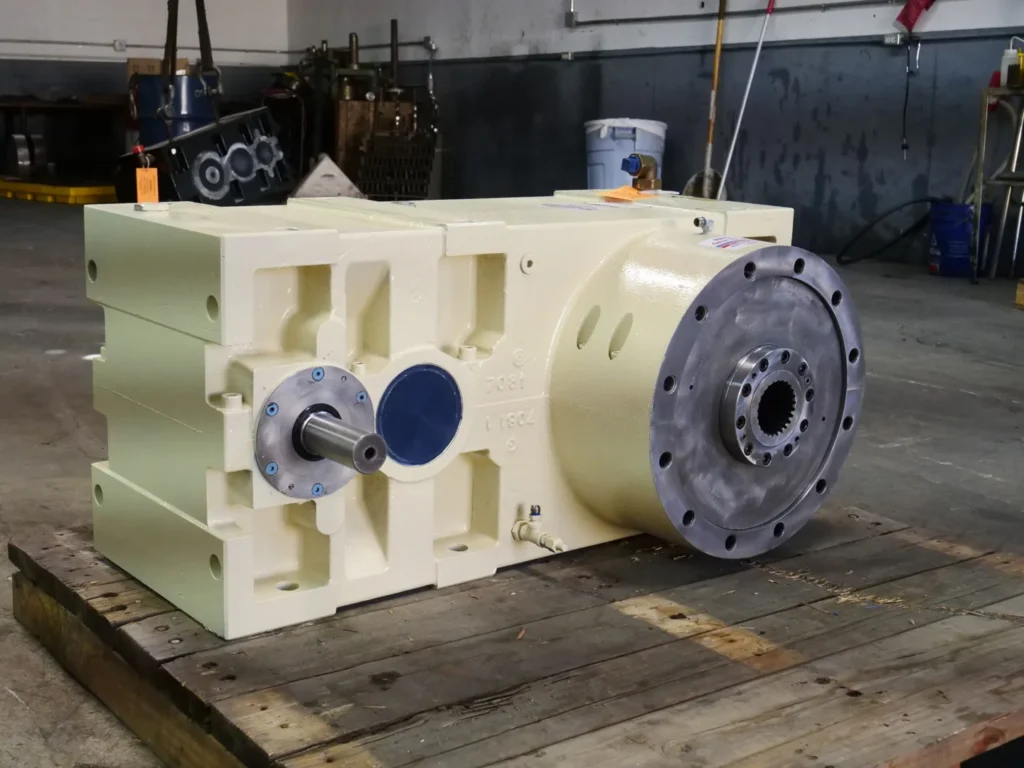
When a Shaft Fails, Everything Stops: What You Need to Know About Shaft Rebuild Services
Shaft rebuild services restore worn, damaged, or failed industrial shafts to original dimensional and performance specifications, typically at a fraction of the cost of full replacement.
If you need a fast answer, here’s what most plant managers want to know upfront:
- What it is: A rebuild involves inspecting, machining, and restoring a shaft’s worn surfaces, journals, keyways, and bearing fits rather than scrapping and replacing the entire component.
- Who needs it: Any facility running conveyors, pumps, mixers, crushers, or other rotating equipment where shaft wear or failure causes unplanned downtime.
- Cost savings: Rebuilding typically cuts costs by more than 50% compared to new OEM components.
- Turnaround: Most standard rebuilds complete in days, not weeks. Emergency service can often deliver repaired shafts within 24 to 48 hours.
- Quality: Rebuilt shafts can meet or exceed original OEM specifications when proper machining, thermal spray, and quality control processes are used.
A single failed shaft on a conveyor line or pump system can halt an entire production shift. In heavy industry, that’s not a minor inconvenience. Extended OEM lead times make it worse. Waiting weeks for a new shaft while a production line sits idle is a real cost that shows up fast in lost output and missed deadlines.
That’s why more plant engineers and maintenance managers are turning to professional shaft rebuild services as a practical, engineered solution rather than a compromise.
Why Choose Industrial Shaft Rebuild Services Over Replacement?
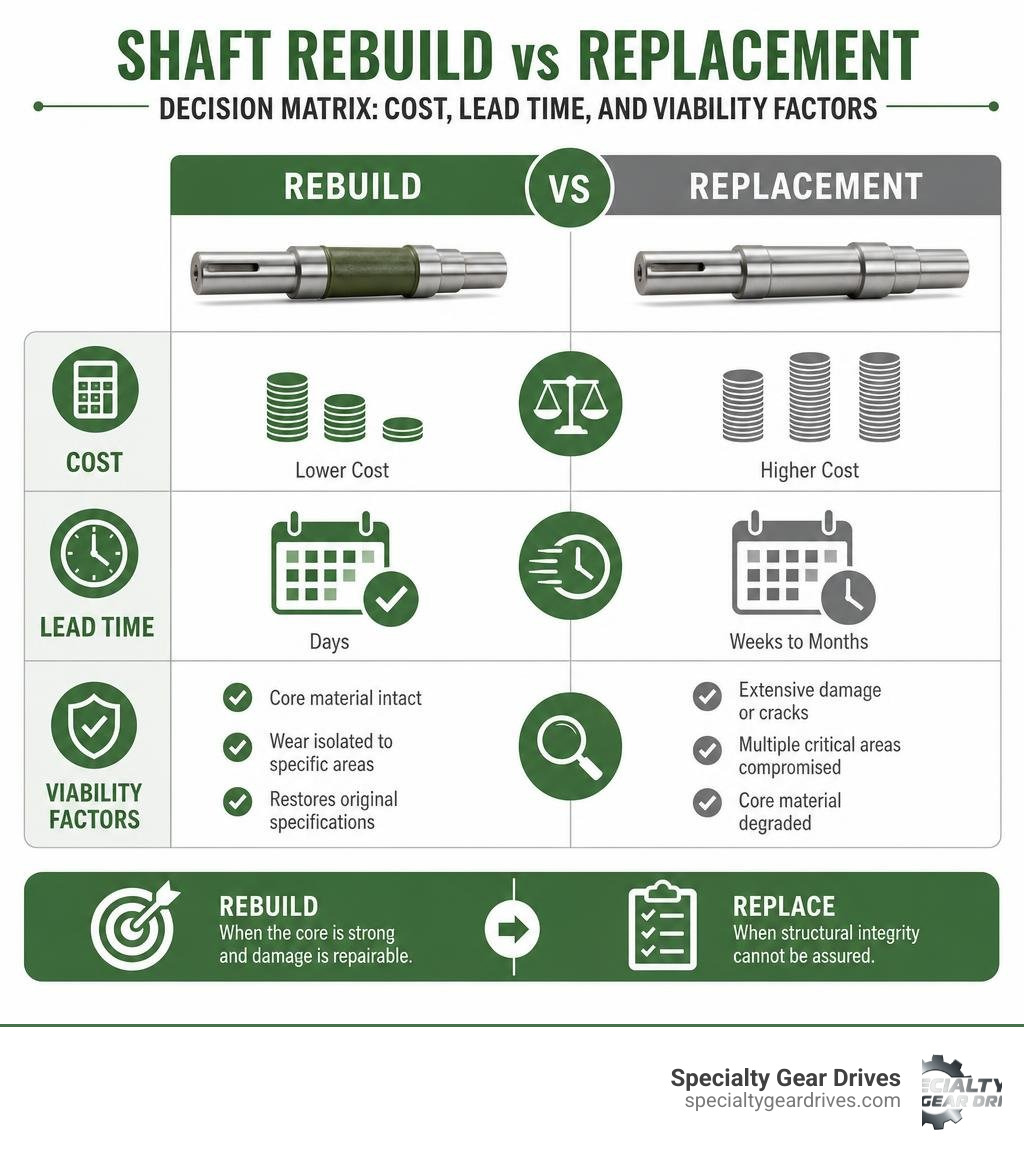
Choosing professional shaft rebuild services over buying a brand-new OEM replacement shaft provides up to 60% cost savings while reducing equipment lead times from months to days. This process is a highly viable alternative because most shaft failures occur on localized contact surfaces, such as bearing journals or seal seats, leaving the structural core of the metal completely intact.
When a shaft experiences wear, the damage is usually concentrated on specific areas where seals, bearings, or couplings make contact. Scrapping a massive, high-strength steel shaft because of a few thousandths of an inch of wear on a single journal is highly inefficient. Rebuilding allows us to restore those precise dimensions while preserving the high-quality base metal of the original component.
Lead times for new industrial shafts can span several weeks or even months, especially for legacy machinery or custom-engineered systems. A dedicated rebuild shop can completed the entire repair process in a fraction of that time. This speed directly translates to minimized downtime and a much faster return to full production capacity.
The following table compares the key differences between rebuilding an existing industrial shaft and purchasing a new replacement.
| Performance Metric | Shaft Rebuilding Services | Full OEM Replacement |
|---|---|---|
| Average Cost | Up to 60% savings compared to new | Full retail price plus shipping |
| Typical Lead Time | 2 to 5 days (24-48 hour emergency available) | 4 to 12 weeks (or longer for legacy systems) |
| Material Quality | Restored to original or upgraded specifications | Standard OEM material |
| Environmental Impact | Highly sustainable, minimizes metal scrap | High carbon footprint from manufacturing and shipping |
| Dimensional Fit | Custom-machined to match existing mating parts | Standard factory dimensions only |
By focusing on targeted restoration, we can also implement material upgrades during the rebuild. For example, applying a high-grade stainless steel or nickel-alloy thermal spray to a worn carbon steel journal can actually make the rebuilt area more resistant to corrosion and wear than the original factory shaft.
Common Signs of Industrial Shaft and Driveline Wear
The most common signs of industrial shaft wear include excessive rotational vibration, premature bearing failures, visible surface scoring on journals, and distorted keyways. Identifying these signs early prevents catastrophic mechanical failures that can destroy surrounding gearbox components and housings.
Rotational vibration is often the first indicator that a shaft has developed runout or has gone out of balance. When a shaft operates at high speeds, even a minor bend or uneven wear pattern creates centrifugal forces that shake the entire drive system. This vibration rapidly accelerates the wear rate of connected gears and bearings.
Bearing failures that occur repeatedly on the same equipment often point to a shaft journal issue. If the bearing journal has worn down even slightly, the bearing inner ring will slip on the shaft rather than rotating with it. This slippage generates extreme frictional heat, which destroys the lubrication and leads to a seized bearing.
Visible surface scoring and grooving on the shaft are typical results of contaminated seals or metal-to-metal contact. As abrasive particles get trapped under a rotating lip seal, they grind a groove directly into the shaft surface. Once this groove forms, a new seal cannot seat properly, leading to continuous oil leaks.
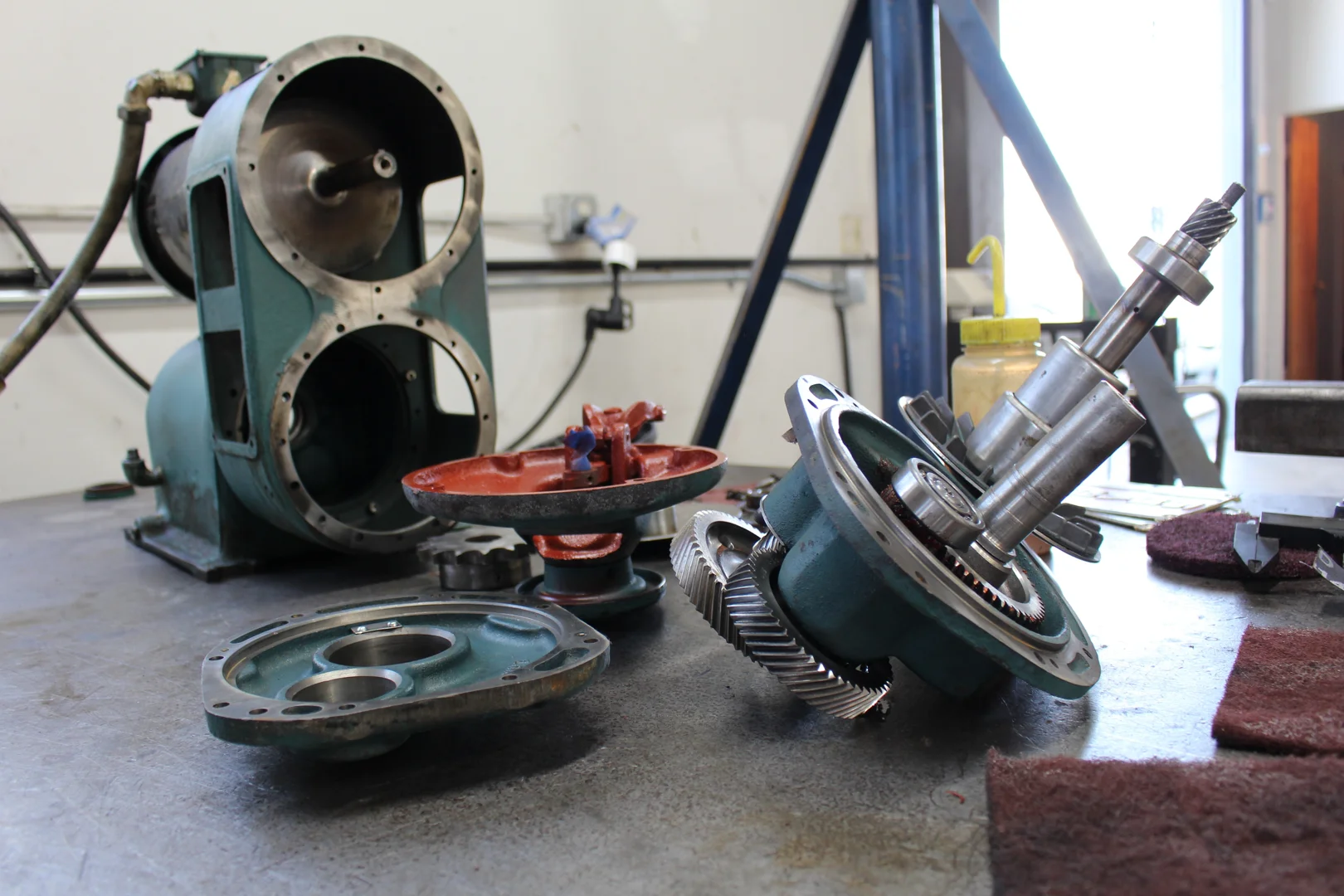
Keyway damage occurs when couplings or keys fit too loosely, allowing the key to rock back and forth under torque loads. Over time, this movement deforms the sides of the keyway, a condition known as wallowing. If left uncorrected, the keyway will eventually shear, completely disconnecting the motor drive from the driven machinery.
Warning Signs That Require Professional Shaft Rebuild Services
Severe warning signs such as micro-cracks, deep metal-to-metal gouging, and high runout measurements require immediate professional shaft rebuild services to prevent a complete structural break. These deeper material issues compromise the load-bearing capacity of the shaft and cannot be resolved with simple field maintenance.
Torsional fatigue accumulates over years of heavy operation, particularly in applications with frequent start-stop cycles or high shock loads. This fatigue manifests as microscopic cracks beneath the surface of the metal. If we do not detect and repair these cracks early, they will propagate through the shaft until it snaps under normal operating torque.
We use non-destructive testing, such as magnetic particle or liquid dye penetrant inspection, to locate these invisible defects before starting any machining work. Finding these micro-cracks early allows us to machine away the fatigued material and rebuild the area with sound metal, restoring the full structural integrity of the shaft.
The Step-by-Step Industrial Shaft Rebuild Process
The professional shaft rebuild process involves a structured sequence of disassembly, deep cleaning, non-destructive inspection, surface restoration, precision machining, and dynamic balancing. This systematic approach ensures that the finished shaft matches or exceeds the original equipment manufacturer’s dimensional and mechanical standards.
The process begins with complete disassembly of the shaft assembly, removing all bearings, couplings, gears, and keys. We then clean the bare shaft thoroughly using industrial degreasers and media blasting to remove all rust, scale, and old grease. This clean surface is essential for accurate dimensional measurement and non-destructive testing.
Once we identify the exact areas of wear and verify that the shaft core is free of internal cracks, we select the appropriate restoration method. For many heavy-duty industrial applications, welding is an excellent choice to build up worn areas. You can read about these specific techniques in The Art of the Weld: How to Build Up and Repair Worn Shafts.
After building up the worn surfaces with weld metal or thermal spray coatings, the shaft moves to our precision machining department. Technicians mount the shaft in a large industrial lathe to turn the built-up areas down to rough dimensions, followed by precision grinding to achieve the exact final tolerances.
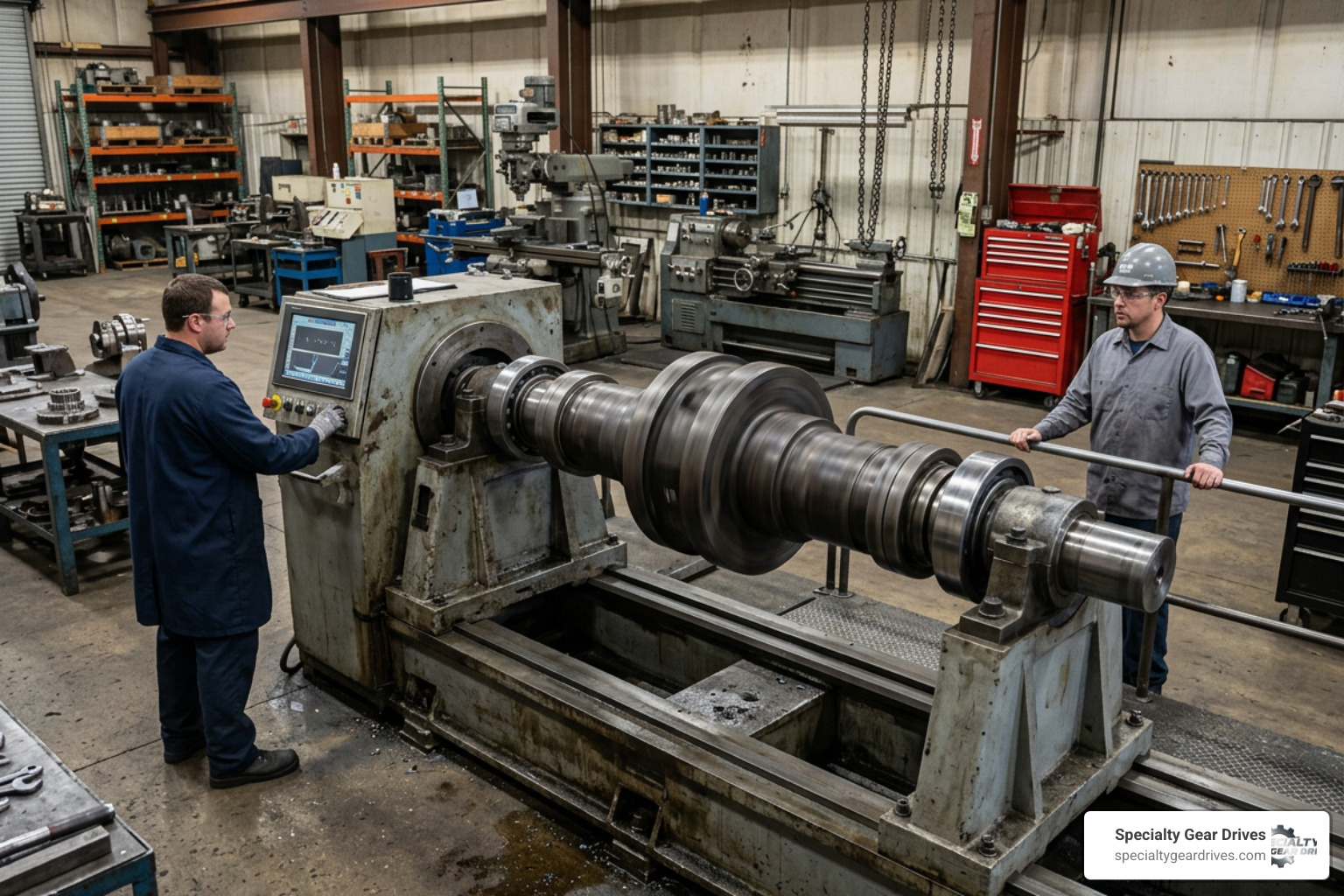
The final critical step is dynamic balancing. Even a perfectly straight shaft can have minor density variations that cause vibration at high operating speeds. We place the fully machined shaft on our computerized dynamic balancing machine, which spins the component and identifies the exact locations where weight must be added or removed to ensure smooth, vibration-free operation.
Specialized Equipment Used in Shaft Rebuild Services
Achieving the high precision required for industrial shaft restoration demands specialized machining and thermal spray equipment. We utilize heavy-duty cylindrical grinders, large-swing lathes, and specialized thermal spray systems to restore critical fits to within ten-thousandths of an inch.
Thermal spray coating is a highly effective method for restoring bearing journals and seal areas without exposing the shaft to the high heat of conventional welding. This process melts a metal wire or powder and projects it onto the prepared shaft surface at high velocity, creating a high-density, high-bond-strength coating. Because the shaft core remains relatively cool, there is zero risk of thermal distortion or warping.
Cylindrical grinding is then used to finish these hard coatings to their final dimensions. While standard lathe turning is suitable for rough material removal, grinding allows us to achieve surface finishes as smooth as 4 Ra and dimensional tolerances up to .0001 inches. This level of precision is vital for the long-term reliability of high-speed industrial bearings.
Frequently Asked Questions About Industrial Shaft Repair
Managing industrial rotating equipment requires careful maintenance planning and a clear understanding of your repair options. Below are direct answers to the most common questions plant operators ask about shaft rebuild services.
How long does a typical industrial shaft rebuild take?
A standard industrial shaft rebuild typically takes between 3 to 5 business days, depending on the shaft’s overall dimensions and the severity of the wear. For critical equipment failures that halt plant production, we offer 24 to 48-hour emergency repair services to minimize costly downtime.
Because we handle all inspection, welding, thermal spraying, machining, and balancing processes in-house at our Largo, Florida facility, we can control the project timeline completely. We do not have to wait on third-party machine shops, which allows us to expedite emergency projects and get your machinery back online quickly.
What industries rely most on rebuilt shafts?
Heavy manufacturing, pulp and paper, mining, power generation, oil and gas, and marine propulsion industries rely most heavily on rebuilt shafts to maintain operational continuity. These sectors utilize large, custom-engineered equipment where purchasing new shafts is incredibly expensive and logistically difficult.
In these demanding environments, shafts are subjected to continuous high torque, abrasive materials, and corrosive chemicals. When the surrounding machinery housings also suffer wear from these harsh conditions, we can restore those components as well. Learn more about how we repair these heavy castings by reading Bore No More: How Housing Line Boring Repairs Heavy Equipment.
How do rebuilt shafts meet OEM performance standards?
Rebuilt shafts meet or exceed OEM performance standards through strict quality control protocols, precise runout measurements, and rigorous hardness testing. We ensure that the chemistry and hardness of the rebuild materials match the mechanical demands of the original shaft design.
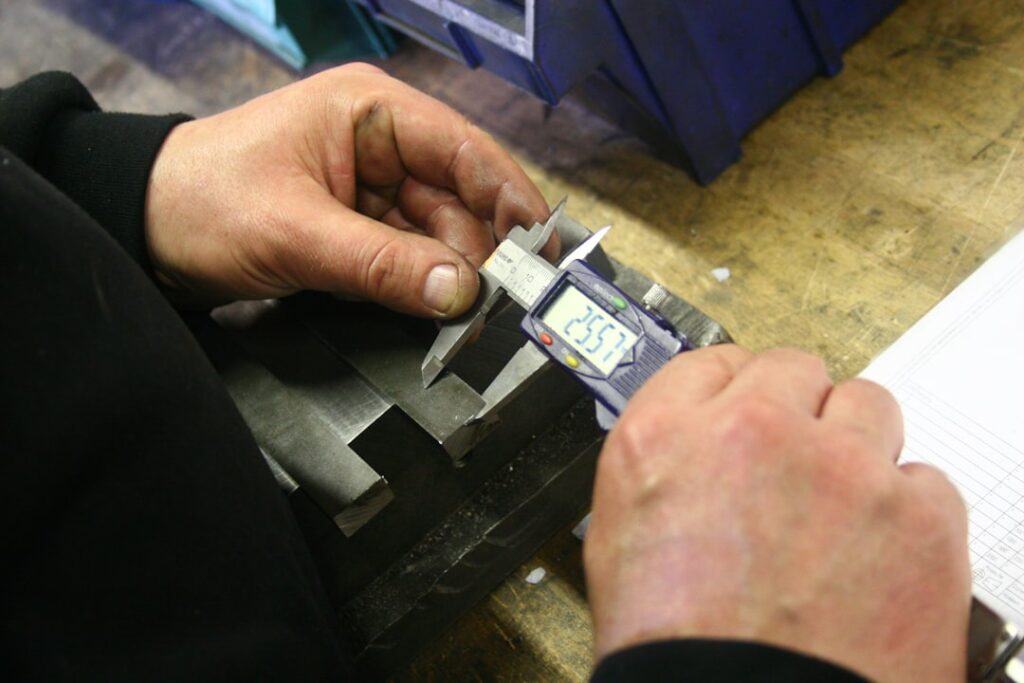
Every shaft undergoes a final dimensional inspection using calibrated micrometers and dial indicators to verify that all bearing fits, seal journals, and keyways are within factory tolerances. For cases where the gearbox casing itself has suffered damage during a shaft failure, we utilize specialized structural repairs described in How Gearbox Housing Welding Services Restore Damaged Castings.
Conclusion
Industrial shaft wear is an inevitable consequence of heavy, continuous production, but it does not have to result in expensive, long-lead OEM replacements. Professional shaft rebuilding offers a reliable, engineered path to restore your rotating machinery to peak operating condition quickly and cost-effectively.
At Specialty Gear Drives, we specialize in comprehensive rebuilding services for industrial gearboxes, shafts, and drive systems. Operating out of our advanced facility in Largo, Florida, we proudly serve industrial plants across Florida, Georgia, Alabama, South Carolina, Mississippi, and Louisiana.
Our specialized capabilities allow us to deliver up to 60% savings compared to the cost of purchasing new components, and we back all of our rebuild work with an industry-leading 24-month warranty. When unexpected failures occur, our 24 to 48-hour emergency service and free pickup and delivery ensure your facility experiences the absolute minimum amount of downtime.
If you are dealing with a worn shaft, a noisy gearbox, or a complete drive system failure, contact us today to schedule an inspection. Let our experienced engineering team restore your heavy equipment to original factory specifications. For more details on our full range of capabilities, visit our Industrial Gearbox Repair service page.